
Home » Things to Do & See » Best Things to Do in Venice in May
Best Things to Do in Venice in May
Table of Contents
Venice in May is a strong choice for travelers who want milder weather, long sightseeing days, seasonal art and lively island trips before the busiest summer period. Plan major San Marco sights early, leave room for quieter canals and lagoon islands, and allow extra time for bridges, vaporetto changes and busy public-holiday travel.
- Best for: art, architecture, walking, food, photography and short boat trips.
- Book ahead: St Mark’s Basilica and Doge’s Palace, popular gondola times, airport transfers and any headline exhibition.
- Pack: comfortable shoes, a light waterproof layer, sun protection and clothing suitable for church entry.
- Expect: mild spring conditions, occasional rain, increasing crowds and longer queues around San Marco.
- Plan carefully: check vaporetto timetables, island service changes and public-holiday schedules before setting out.
“May gives Venice an excellent balance: enough daylight for the major sights and islands, pleasant conditions for walking, and a rich choice of art, food and evening experiences when the day-trippers begin to leave.”
Powered by GetYourGuide
What are the best things to do in Venice in May?
A good May itinerary mixes one timed cultural visit with unstructured walking, a lagoon outing and an evening plan. Venice rewards travelers who group activities by area rather than crossing the Grand Canal repeatedly: explore San Marco together, dedicate another half-day to Dorsoduro, and use a separate morning or afternoon for the islands.
- Historic Venice: St Mark’s Basilica, Doge’s Palace, the Bridge of Sighs and the surrounding piazzas.
- Art Venice: current Biennale programming when scheduled, permanent collections and smaller gallery exhibitions.
- Lagoon Venice: Murano, Burano or Torcello, with time allowed for boat connections.
- Local Venice: cicchetti, market browsing, quiet canals and an evening walk after the main crowds thin out.
How should you visit St Mark’s Basilica and Doge’s Palace in May?
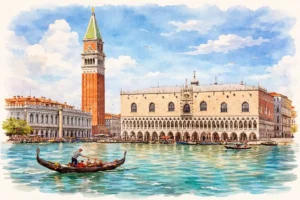
San Marco is the most time-sensitive part of a Venice visit. A combined St Mark’s Basilica, Doge’s Palace and Bridge of Sighs experience is a practical way to cover the core sights in approximately 1 to 2.5 hours, depending on the selected format. Current options may use a ticket-only or guided structure, while access to special areas, guide language, meeting arrangements and entry procedures can differ by departure.
Choose an early time if architecture and photography matter most. The square becomes noticeably busier as the morning progresses, and church entry can involve security screening and clothing requirements. Before paying, confirm the exact attractions included, whether the basilica is entered or viewed externally, the meeting point, language, accessibility, cancellation terms and any restrictions on bags or clothing.
Compare San Marco guided visit options
Which Venice art and exhibition experiences work best in May?
May is particularly suitable for an art-focused day because indoor museums provide a useful break from sun, showers or crowded streets. Check the official programme for the Biennale or other major exhibitions taking place in the year of your visit; venues, opening periods, ticket rules and satellite events change from year to year. Do not assume that a Biennale event is available simply because it has run in another season.
Pair one large venue with a smaller collection rather than trying to see everything. Dorsoduro is efficient for combining the Peggy Guggenheim Collection, Punta della Dogana and the Gallerie dell’Accademia area, while Castello and Giardini-related visits may need more walking and transport planning. The Venice events and exhibitions calendar is useful for checking current programming before fixing your route.
Are Murano, Burano and Torcello worth visiting in May?
Yes, provided you treat the islands as a half-day or full-day plan rather than a quick add-on. Murano suits travelers interested in glassmaking and workshops; Burano is known for brightly painted streets and lacemaking; Torcello offers a quieter, more historical stop. May light is good for photography, but wind, rain and lagoon service changes can affect comfort and journey times.
Check the vaporetto route in both directions before leaving Venice, especially if you want to visit more than one island. Allow a buffer for missed connections, and avoid building a late airport transfer around an ambitious island itinerary. A private water taxi is faster but substantially more expensive; public transport is generally the more flexible option for independent sightseeing.
Reserve a flexible Venice sightseeing experience
What is the best way to experience a gondola ride in May?
A gondola ride works best as a short, atmospheric break rather than the only way to see Venice. The Grand Canal offers movement and landmark views, while smaller canals can feel calmer and more intimate. Agree the route, duration, total price and number of passengers before departure, and remember that weather and water conditions can affect the experience.
Late afternoon often gives a better balance of light and demand than the most popular sunset window. If the forecast is unsettled, choose a time with room to reschedule rather than placing it immediately before a timed museum or airport journey. A traghetto crossing can provide a brief Grand Canal experience at a much lower cost, although it is a functional crossing rather than a sightseeing cruise.
Where can you find good views and evening atmosphere in Venice?
For classic views, use the Campanile area, the Rialto Bridge approaches and the waterfront around Riva degli Schiavoni, while recognizing that these spots can be crowded. For a slower evening, walk through Cannaregio, Dorsoduro or parts of Castello after museum hours. The reward is less about finding an undiscovered place and more about seeing how the city changes once organized sightseeing eases.
Sunset is later in May, so an evening plan can include an aperitivo, a cicchetti stop and a final walk along the Grand Canal. Reserve a well-reviewed dinner if you have a specific restaurant in mind, but keep the route simple: bridges, cobbles and waterbus transfers make a long cross-city schedule tiring after dark.
Plan a timed Venice landmark visit
What should you eat and drink during a May visit to Venice?
Build meals around Venetian specialties rather than relying only on restaurants beside San Marco. Look for cicchetti, small bar snacks served with a drink; seafood shaped by the lagoon; seasonal vegetables; risotto; and local pasta dishes. The Rialto market area is useful for understanding the city’s food culture, although market activity and opening days should be checked before making it the centerpiece of a morning.
For the most relaxed experience, eat at slightly offset times and compare a few menus before sitting down. Venice’s table charges, service practices and menu pricing can vary, so inspect the menu outside and clarify whether drinks or additional service costs apply.
How do May weather and daylight affect a Venice itinerary?
May usually brings comfortable conditions for walking, but Venice can be humid, wet or unexpectedly warm. The practical risk is not cold so much as sun exposure, slippery paving after rain and fatigue from continuous walking. Wear shoes with dependable grip, carry a compact rain layer and keep a water bottle available where permitted.
| Condition | Useful planning response |
|---|---|
| Bright, mild morning | Schedule San Marco, viewpoints or a walking route before peak afternoon congestion. |
| Rain or heavy cloud | Prioritize museums, churches and a flexible lunch, then move outdoors if conditions improve. |
| Warm, crowded afternoon | Choose an indoor collection, quieter district or longer meal instead of adding another major queue. |
| Windy lagoon conditions | Allow extra time for island boats and avoid connecting a lagoon trip directly to a fixed departure. |
What should you book before visiting Venice in May?
Advance booking is most valuable for attractions with timed entry, limited capacity or a fixed meeting point. Prioritize St Mark’s Basilica and Doge’s Palace, high-demand exhibitions, popular gondola periods and accommodation. Leave less structured activities—neighborhood walks, cicchetti stops and general photography—for the weather and crowd conditions you encounter.
Use this decision checklist before confirming a combined San Marco experience:
- Does the selected option include entry to both St Mark’s Basilica and Doge’s Palace, or only an exterior explanation?
- Are the Bridge of Sighs and any special areas included in the stated route?
- What are the exact meeting point, start time, guide language and total duration?
- Are security, dress, luggage and accessibility rules clear for every venue?
- Do the cancellation terms suit your transport and weather plans?
The best choice is not automatically the longest tour or the lowest price. A shorter timed visit can be better for travelers who want to combine San Marco with an island trip, while a guided option may suit first-time visitors who want historical context without managing separate entry procedures. Review the live booking page for May availability and the details attached to the exact departure you select.
Browse practical Venice experiences by interest for ideas that can fill the rest of the day without overloading your schedule.
How should you manage Venice transport and May public holidays?
Walking is often fastest for short central routes, but the vaporetto is essential for the Grand Canal, outer districts and islands. Check the current route, service notices and ticket validity before boarding. Around Italian public holidays, demand can rise and schedules or attraction access may differ, so confirm arrangements rather than relying on a normal weekday pattern.
The Venice transport and ticket guide can help you compare practical options. For official destination information and current visitor-planning details, consult Venice’s official things-to-do information. Keep airport journeys and fixed tours separate by a generous margin: bridges, queues, boat connections and weather can all add time.
Check current San Marco availability
What is a sensible three-day Venice plan for May?
Day one: visit St Mark’s Basilica and Doge’s Palace at a booked time, walk toward Rialto and finish with cicchetti or an evening Grand Canal stroll. Day two: explore Dorsoduro museums and churches, then continue through quieter residential streets. Day three: take a lagoon-island trip if the forecast and boat schedule are favorable; otherwise, use the day for Castello, Cannaregio, a current exhibition or a gondola ride.
This structure protects the experiences most affected by queues and transport while keeping enough flexibility for rain, crowds and the slower pace of Venice. For a two-day stay, combine San Marco with one nearby district on the first day and reserve the second for either art or the islands, not both.
Powered by GetYourGuide