
Home » Museums & Galleries » What to See Inside the Venice Natural History Museum
What to See Inside the Venice Natural History Museum
Table of Contents
Inside the Venice Natural History Museum, you’ll find towering dinosaur skeletons, immersive prehistoric environments, rare fossils, Venetian lagoon wildlife displays, and one of Italy’s most important natural science collections—all inside the breathtaking Fondaco dei Turchi palace on the Grand Canal.
This museum is not just about glass cases and labels. It walks you through the evolution of life, from ancient marine organisms to Pleistocene mammals and modern ecosystems specific to the Venetian lagoon. Here’s exactly what to see, how to plan your visit, and how to make the most of your ticket.
Powered by GetYourGuide
1. The Dinosaur & Prehistoric Fossil Collection
The highlight for most visitors is the prehistoric section. The displays are modern, interactive, and surprisingly immersive compared to older natural history museums in Italy.
You’ll see:
- A nearly complete Ouranosaurus nigeriensis skeleton
- A massive dinosaur fossil reconstruction suspended dramatically in the gallery
- Original Triassic and Jurassic fossils
- Marine reptile specimens
The lighting and layout make this section especially engaging for families, but adults appreciate the context panels explaining geological eras and extinction events.
Plan to spend 30–45 minutes here if you enjoy reading the exhibits in detail.
Check availability for Venice Natural History Museum tickets
2. The Evolution of Life Galleries
This section explains how life evolved from simple marine organisms to complex terrestrial animals.
What makes it different:
- Immersive dioramas rather than static displays
- Touchscreens explaining evolutionary branches
- Clear timelines that are easy to follow
The exhibits are divided chronologically, so even visitors without a science background can understand the progression from invertebrates to mammals.
One particularly fascinating part focuses on mass extinctions and climate change throughout Earth’s history—an unexpectedly relevant and thoughtful section.
3. The Venetian Lagoon Biodiversity Section
This is what makes the museum unique compared to others in Italy.
The lagoon ecosystem galleries explore:
- Fish species of the Adriatic Sea
- Birdlife of the Venetian wetlands
- Lagoon crustaceans and mollusks
- Salt marsh environments
If you’re staying in Venice for several days, this section changes how you see the city. After visiting, you’ll recognize bird species around the canals and understand how the lagoon sustains Venice.
This part is quieter and less crowded, offering a reflective break from busier city attractions.
4. The Fondaco dei Turchi Building Itself
Many visitors come for the dinosaurs and leave talking about the building.
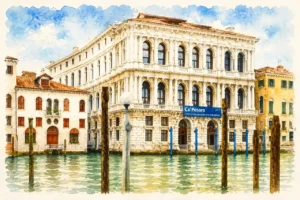
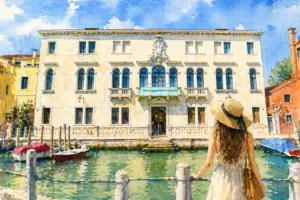
The museum is housed in the 13th-century Fondaco dei Turchi, once a trading house for Ottoman merchants. Inside, you’ll notice:
- Grand Gothic arches
- Open courtyards
- Views onto the Grand Canal
- Thick medieval stone walls
The contrast between medieval architecture and modern science exhibits gives the museum a distinctive character. It’s worth walking slowly through the central courtyard before moving upstairs.
5. The Wunderkammer (Cabinet of Curiosities)
This room recreates early natural science collections from the Renaissance.
Expect:
- Taxidermy specimens
- Shell collections
- Botanical samples
- Early scientific instruments
It’s smaller than other sections but historically important—it demonstrates how Europeans first began cataloging nature.
View entrance ticket options online
How Long Do You Need?
| Visitor Type | Recommended Time |
|---|---|
| Quick overview | 1–1.5 hours |
| Standard visit | 2 hours |
| With children | 2–2.5 hours |
| Science enthusiasts | 3+ hours |
Morning visits tend to be quieter. Late afternoon can become busier, especially during peak tourist months (May–September).
Is It Worth Visiting Compared to Other Venice Museums?
Venice is known more for art museums and palaces than science collections. That’s why this museum stands out.
Choose it if you want:
- A break from Renaissance art
- A child-friendly activity
- An indoor option on rainy or hot days
- A deeper understanding of the lagoon ecosystem
It’s especially useful for families traveling with children who may have reached “art fatigue” after multiple churches and galleries.
For a deeper decision breakdown, see this detailed analysis on whether the Natural History Museum is worth visiting.
Practical Tips Before You Go
- Buy tickets online during high season
- Arrive early to avoid school groups
- Strollers are allowed, but some sections require maneuvering
- Photography is permitted (no flash)
- Air conditioning is moderate—cooler than outdoors in summer
Secure your Venice Natural History Museum entry ticket
Visitor Experience Insights
Review #1 – Family Perspective
“We had two kids aged 7 and 10. The dinosaurs kept them engaged for almost an hour. The interactive screens helped explain fossils without overwhelming them.”
Review #2 – Solo Traveler
“I visited after several days of art museums. It was refreshing to see something different. The lagoon biodiversity section gave context to Venice beyond its architecture.”
Review #3 – Science Enthusiast
“The fossil preservation quality is excellent. The Ouranosaurus display alone is impressive by European standards.”
Ticket Types Explained
| Ticket Type | Best For | Notes |
|---|---|---|
| Standard Entry | Most visitors | Flexible entry time |
| Combined MUVE Pass | Multi-museum visitors | Includes Civic Museums |
| Family Ticket | Families | Value if visiting with children |
If you only plan to visit this museum, the standard entry ticket is usually sufficient. For those exploring multiple civic museums, compare options at Venice Natural History Museum ticket guide.
Location & Access
The museum is located in Santa Croce along the Grand Canal.
Nearest vaporetto stops:
- San Stae
- Riva de Biasio
It’s slightly removed from the busiest tourist corridors, making it calmer than attractions near St. Mark’s Square.
Opening Hours & Official Information
Opening hours vary by season and day of the week. Before visiting, check the official MUVE website for updates:
Official Venice Natural History Museum opening hours
Frequently Asked Questions
1. Is the Venice Natural History Museum suitable for young children?
Yes. The dinosaur exhibits, interactive screens, and spacious galleries make it one of the more family-friendly museums in Venice. Most children stay engaged for at least 1.5 hours.
2. Do I need to book tickets in advance?
Advance booking is recommended during high season (May–September) and weekends. It helps avoid waiting and guarantees entry at your preferred time.
3. Is it included in the Venice Museum Pass?
The museum is part of the MUVE civic museum system. Some combined passes include it, but verify before purchasing.
4. How does it compare to art museums in Venice?
It offers a completely different experience—science-focused, interactive, and educational. Many visitors appreciate it as a break from Renaissance paintings and churches.
5. Is there English information?
Yes. Most panels, interactive screens, and explanations are available in English and Italian.
6. Can you visit on a rainy day?
Absolutely. It’s a strong indoor alternative during rain or extreme summer heat.
7. Is the building wheelchair accessible?
Most areas are accessible, with elevators available. Contact the museum directly if specific accommodations are needed.
8. What makes this museum unique in Venice?
The combination of dinosaur fossils, lagoon biodiversity exhibits, and its historic trading palace setting is distinctive within Venice’s museum landscape.
For more detailed planning:
Powered by GetYourGuide