
Home » Venice Cooking Classes » Is a Venice Cooking Class Good for Families?
Is a Venice Cooking Class Good for Families?
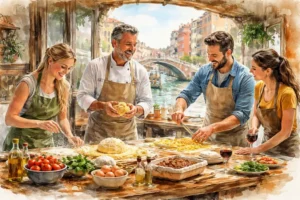
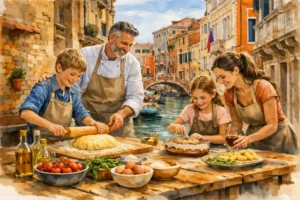
Yes — many Venice cooking classes are well suited for families traveling with children. Most classes focus on simple, interactive recipes such as fresh pasta and tiramisu, which are easy for beginners and engaging for kids. The experience combines cooking, cultural learning, and a relaxed shared meal, making it one of the more practical family activities in Venice.
Unlike traditional tours where children mostly watch and listen, cooking classes involve hands-on participation. Kids can knead dough, assemble desserts, and see how Italian dishes are prepared step by step. For many families visiting Venice, this becomes a memorable break from sightseeing.
Check available times for this family-friendly Venice cooking class
Why Cooking Classes Work Well for Families
Traveling with children in historic cities like Venice can be challenging. Museums and churches often require quiet behavior, and long walking routes may test patience. Cooking classes solve this by offering a practical activity where everyone participates.
Typical benefits for families include:
- Interactive tasks that keep children engaged
- Short duration (usually around 2–3 hours)
- Simple recipes suitable for beginners
- A relaxed environment where conversation is encouraged
- A meal at the end that children helped prepare
Because food culture is central to Italy, cooking experiences also introduce children to local traditions in a practical way. The city itself has a long culinary history tied to trade routes and regional ingredients, which you can explore further in the official tourism overview of Venice and its lagoon.
Powered by GetYourGuide
What Families Typically Cook During the Class
Most tourist cooking classes in Venice focus on two dishes: fresh pasta and tiramisu. These recipes are popular because they are easy to prepare and involve several hands-on steps.
Fresh Pasta
Children often enjoy making pasta because the process is tactile and creative. The typical steps include:
- Mixing flour and eggs to create dough
- Kneading the dough by hand
- Rolling and shaping pasta
- Preparing a simple sauce
Tiramisu
The dessert portion of the class is often the highlight for kids. Tiramisu is made by layering mascarpone cream with coffee-soaked biscuits and cocoa powder. The dish originated in northern Italy and became internationally popular in the late twentieth century, as explained in the historical overview of tiramisu’s culinary origins.
See the full schedule for the Venice pasta and tiramisu class
Age Guidelines: What Works Best
Not every cooking class is designed for very young children, but many are flexible with family groups. Based on common formats used by cooking schools in Venice, these guidelines are typical.
| Age Range | Participation Level | Typical Experience |
|---|---|---|
| 4–7 years | Limited hands-on help | Kids assist parents and enjoy dessert preparation |
| 8–12 years | Full participation | Children can prepare pasta and assemble tiramisu |
| 13+ years | Independent cooking | Teens can follow instructions like adults |
This structure allows children to participate safely while still enjoying the experience.
Real Family Experiences
Laura – Spain
“Our two kids were skeptical at first because they thought cooking would be boring. But they loved making pasta from scratch. The instructor showed them how to roll the dough, and they were proud to eat what they made.”
Michael – United States
“It was the perfect activity after a day of walking around Venice. My daughter especially enjoyed preparing the tiramisu layers. The class felt relaxed and welcoming to families.”
Sandra – Germany
“We booked the class on our last evening in Venice. Cooking together was a great way to slow down and do something different from sightseeing.”
View available dates for the Venice family cooking class
Things Parents Should Consider Before Booking
Although cooking classes work well for many families, a few practical considerations help ensure the experience goes smoothly.
Group Size
Smaller groups often create a more relaxed environment for children. Classes with around 10–15 participants are typical.
Timing
Late evening classes may not suit younger children. Midday or afternoon sessions are often easier for families.
Language
Most cooking classes designed for tourists are conducted in English, which helps children follow instructions easily.
Food Preferences
If a child has dietary restrictions, it’s worth confirming this before booking.
What Kids Usually Enjoy Most
Based on feedback from families, several moments during the class stand out.
- Rolling and shaping pasta dough
- Layering mascarpone cream in tiramisu
- Watching pasta cook quickly in boiling water
- Sharing the meal with other travelers
These simple activities turn cooking into a collaborative experience rather than a lesson.
Comparing Cooking Classes With Other Family Activities
Families visiting Venice typically choose between several types of activities:
- Gondola rides
- Island tours (Murano or Burano)
- Museums and historical sites
- Cooking classes
Cooking classes stand out because they combine entertainment with practical learning.
Practical Advice for Parents
If you plan to include a cooking class in your itinerary, consider scheduling it early in your trip. Children often enjoy recreating the recipes later during the vacation.
It can also help to explain the activity beforehand so younger kids know they will actually cook and not simply watch a demonstration.
Additional Resources for Planning a Cooking Class
Families comparing options may find it useful to read more about whether a pasta and tiramisu cooking class in Venice is worth it.
Another helpful guide explains what participants typically learn in a Venice cooking class.
If you are evaluating different options, this comparison of pasta and tiramisu vs pizza cooking classes in Venice can help you decide which format suits your family.
FAQ: Family Cooking Classes in Venice
1. Do cooking classes in Venice allow children to participate?
Yes. Many cooking classes welcome families, particularly those focused on pasta and tiramisu preparation.
2. Are cooking tools safe for children?
Most classes use simple utensils and supervised preparation steps, making them safe for older children.
3. How long does the activity last?
Typical classes last about two to three hours, including the meal.
4. Can younger children attend without cooking?
Yes, younger children often participate alongside parents even if they are not handling all steps independently.
5. Do families cook together or separately?
Most classes organize participants into shared workstations where families cook together.
6. Are vegetarian options available?
Vegetarian pasta sauces are common and can usually be arranged.
7. Is wine served during family classes?
Wine is usually offered to adults, while children enjoy the meal without alcohol.
8. Do instructors adapt instructions for kids?
Experienced instructors often simplify explanations when children are present.
9. What clothing should children wear?
Comfortable clothes are recommended since cooking can involve flour and ingredients.
10. Can families take the recipes home?
Most classes provide recipe sheets so families can recreate the dishes later.
11. Are cooking classes crowded?
Group sizes are typically moderate, but booking in advance helps secure places.
12. Is the experience educational?
Yes. Children learn about Italian ingredients, cooking techniques, and cultural traditions.
Explore More Cooking Experiences in Venice
If you want to compare different class formats, prices, and locations, see the complete guide to Venice cooking classes.