
Home » Things to Do & See » Best Things to Do in Venice in September
Best Things to Do in Venice in September
Table of Contents
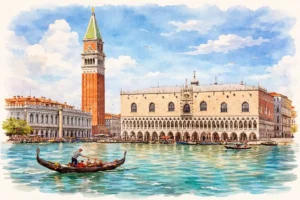
I began with the St Mark’s Basilica, Doge’s Palace and Bridge of Sighs experience, which connects Venice’s most important central sights in one visit. The route took roughly 1–2.5 hours, depending on the selected ticket or guided format, and priority access made the busiest part of the day easier to manage. The exact guide service, included areas, entry arrangements and restrictions depend on the option selected.
I found this a practical choice for a first morning in Venice, especially when I wanted context rather than simply moving between landmarks. Wear clothing suitable for basilica entry, allow time for security, and follow the meeting instructions attached to the booking.
“A well-organized way to see Venice’s essential landmarks without wasting the morning in separate queues.”
Powered by GetYourGuide
What are the best things to do in Venice in September?
September is one of Venice’s most useful months for planning: the heat usually eases, cultural calendars are busy, and the first part of the month can feel considerably more crowded than the second. I would build the trip around one major indoor sight, one lagoon outing, and time in a quieter sestiero rather than trying to visit every landmark in a single day.
- For first-time visitors: combine St Mark’s Basilica, Doge’s Palace and the Bridge of Sighs.
- For culture: check the Venice Film Festival and Biennale Arte programmes.
- For open-air time: walk Cannaregio, Dorsoduro or Giudecca in the later afternoon.
- For a slower day: choose Murano, Burano or Torcello according to the vaporetto timetable.
Is the St Mark’s Basilica and Doge’s Palace experience worth booking?
It is a sensible booking when your priority is seeing the central landmarks efficiently. The experience covers St Mark’s Basilica, Doge’s Palace and the Bridge of Sighs, with formats generally lasting around 1–2.5 hours. The guide arrangement, priority access and precise rooms or areas included vary by selection, so compare the options carefully before paying rather than assuming every format follows the same route.
Choose it if you have limited time, want explanations while walking through the monuments, or prefer one coordinated visit. Independent entry may suit you better if you want to linger over mosaics, move at your own pace, or already have a detailed Venice itinerary. A morning slot is usually the easier choice for photography and for avoiding the most compressed pedestrian traffic around San Marco.
Compare St Mark’s Basilica tour options
What happens at the Regata Storica in September?
The Regata Storica is scheduled for early September, traditionally bringing decorated boats, historical costumes and competitive rowing to the Grand Canal. Expect especially heavy movement around the canal crossings and vaporetto stops during the procession and races. If this is central to your plans, confirm the official race programme, viewing areas, service changes and road closures shortly before travelling; the public timetable can affect both sightseeing reservations and airport transfers.
Early September also overlaps with the Venice International Film Festival. The festival is based on the Lido, not around St Mark’s Square, but accommodation pressure and water-bus demand can spread across the city. Film-goers should reserve transport and accommodation early, while other visitors may find the later part of the month calmer.
What is Venice weather like in September?
September normally shifts from warm summer conditions toward cooler evenings. Typical daytime temperatures are around the mid-20s Celsius early in the month and can feel noticeably milder later, while evenings often call for a light layer. Rain showers and humid days remain possible, so comfortable shoes with reliable grip are more useful than delicate footwear on polished stone.
| Planning point | What it means for your day |
|---|---|
| Heat | Schedule exposed walks and island visits for morning or late afternoon. |
| Rain | Keep an indoor plan such as the Basilica, Doge’s Palace, museums or galleries. |
| Daylight | There is still plenty of light for an evening walk, but sunset comes earlier than in midsummer. |
| Acqua alta risk | Check local conditions and allow extra time if raised water affects low-lying walkways. |
Reserve a central Venice landmark visit
Which islands are best for a September day trip?
Murano is the practical choice for glass workshops and shorter travel time. Burano is more rewarding for colourful streets and photography, but it takes longer to reach and can be busy around midday. Torcello offers a quieter, more rural contrast and works best when you are comfortable dedicating most of a day to the lagoon.
Check the current vaporetto timetable before setting out, especially on an event weekend. Wind, maintenance and seasonal changes can affect connections. Avoid planning several islands plus central Venice on the same afternoon; one or two islands make a more realistic route.
Where should you go beyond San Marco?
In Cannaregio, walk beside the northern lagoon and around the former Jewish Ghetto for a less compressed evening. Dorsoduro works well for art museums, university-area cafés and a walk toward Zattere. Castello gives access to the eastern edge of the historic centre, while Giudecca provides broad views back toward the main island and is easy to pair with a sunset boat ride.
For food, look for cicchetti bars away from the immediate San Marco waterfront and order small portions rather than committing to a long meal before checking the menu. Rialto is useful for market atmosphere earlier in the day, while Cannaregio and Dorsoduro are often more comfortable for an unhurried dinner.
What should art lovers see in Venice in September?
Biennale Arte continues through September, with the main exhibition and participating venues spread across the Giardini, Arsenale and other locations. Give it at least half a day if you want to see more than a quick selection, and verify opening days, ticket arrangements and the current exhibition map before travelling. Smaller galleries in Dorsoduro and San Marco can fill a shorter afternoon without the commitment of the full Biennale route.
The city’s official visitor information is useful for checking current cultural listings and practical planning details; consult the official Venice things-to-do information alongside each venue’s own programme.
How should you plan transport in Venice in September?
Walk whenever the route is direct, but use vaporetti for the Grand Canal, Giudecca and the outer islands. Event crowds can make a short boat journey take longer than expected, particularly around the Regata Storica and the Film Festival. For airport or station connections, leave a buffer for bridges, luggage and crowded boarding platforms.
For ticket types, routes and airport-transfer planning, use this practical guide to Venice transport tickets and passes. It is worth deciding your main travel days before buying, since an island-heavy itinerary may justify a different pass from a mostly walking visit.
Book a guided Venice landmark experience
How can you choose the right September itinerary?
Use the first half of the month for fixed cultural events only if you are comfortable with higher demand and earlier reservations. The latter half is generally easier for combining major sights with neighbourhood walks, although individual weekends can still be busy.
- One day: book the central landmark experience early, then explore Dorsoduro or Cannaregio.
- Two days: add either a lagoon island trip or a Biennale-focused afternoon, not both at full length.
- Three or more days: separate San Marco from the islands and reserve one flexible day for weather or event changes.
- Event-focused visit: confirm the Regata Storica or Film Festival programme first, then arrange accommodation and transport around it.
For more bookable ideas beyond the main monuments, browse these Venice experiences by interest and compare the practical details before adding another timed activity. The seasonal events calendar at what’s on in Venice can then help you fit performances, exhibitions and public celebrations into the route.
Powered by GetYourGuide