
Home » Things to Do & See » Best Things to Do in Venice in July
Best Things to Do in Venice in July
Table of Contents
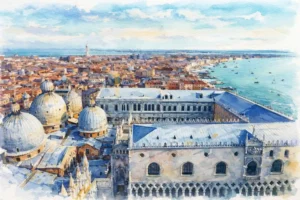
I started with the combined St Mark’s Basilica, Doge’s Palace and Bridge of Sighs visit while the squares and lanes were still relatively manageable. Seeing the basilica and palace together made the route efficient, and the guide helped connect the rooms, artwork and political history without leaving me to work out the layout alone. The experience typically takes about 1–2.5 hours, depending on the selected format, guide and ticket type.
For July, I would book an early entry if possible, carry water, and plan an indoor stop during the hottest part of the afternoon. The exact price, included areas, meeting point, timed-entry arrangement, dress and security rules, accessibility, cancellation terms and availability can vary by option, so I would confirm those details before paying.
My practical verdict: this is a useful first major booking for Venice in July because it combines three headline sights in one guided visit, leaving the cooler evening for the lagoon, cicchetti or a quieter neighbourhood walk.
“A well-organised way to see Venice’s essential sights without wasting the hottest part of the day in queues.”
Powered by GetYourGuide
What are the best things to do in Venice in July?
July rewards an early-and-late daily rhythm. Start with a timed indoor attraction, slow down during the strongest heat, then use the long evening for a vaporetto ride, a neighbourhood walk or a meal away from the busiest lanes. Venice is usually hot, humid and bright in July, with occasional summer showers, so breathable clothing, water, sun protection and shoes with a firm grip are more useful than an overfilled day plan.
Is the St Mark’s Basilica and Doge’s Palace experience worth booking in July?
It can be a sensible choice if you want context and a predictable route through Venice’s busiest monumental area. The combined experience links St Mark’s Basilica, Doge’s Palace and the Bridge of Sighs, and the guided format can reduce the uncertainty of navigating separate entrances. It is especially practical for a first visit, a short stay or travellers who prefer not to research each ticket category themselves.
Before booking, compare the available options rather than assuming every listing includes the same rooms or entry conditions. Check whether the Basilica and Doge’s Palace are both included, whether entry is timed, how long the tour lasts, where the group meets, and whether the selected language and cancellation policy suit your plans.
Compare the guided St Mark’s and Doge’s visit
When should you visit St Mark’s Square and the Doge’s Palace?
The first available morning slot is usually the most comfortable strategy in July. It helps avoid the strongest sun, gives you a better chance of moving through the square before peak visitor pressure, and leaves the middle of the day for an air-conditioned museum, a long lunch or a hotel break. If mornings are not possible, a later afternoon entry may work, but confirm the attraction’s live entry times and allow extra time for security and crowded approach routes.
Dress for a religious site as well as the heat: shoulders and knees may need to be covered inside the Basilica. Large bags, photography, liquids and security procedures can affect entry, so read the current instructions attached to the exact ticket option.
Check current Basilica and Palace entry options
What can you do in Venice during the hottest part of July?
Use midday for places where shade, seating or climate control make the heat easier. Good choices include a museum visit, an extended lunch, a quiet church interior, a craft workshop or a return to your accommodation. Rather than crossing the historic centre repeatedly, group nearby sights into one district and use the vaporetto when a canal route is more comfortable than walking in direct sun.
- Morning: book a major monument or walk before the streets become most congested.
- Midday: choose an indoor attraction, shaded restaurant or rest period.
- Late afternoon: resume sightseeing once the light softens and temperatures become easier.
- Evening: consider a canal ride, cicchetti route, concert or waterfront walk.
Which evening activities work best in Venice in July?
Long daylight makes it possible to postpone outdoor sightseeing without losing much of the day. A slow walk through Cannaregio, Dorsoduro or Castello can feel more manageable after dinner, while a vaporetto ride along the Grand Canal offers a seated way to see palaces and changing light. Reserve popular restaurants when possible, but leave room for a small bacaro stop rather than building an evening around too many fixed appointments.
For current concerts, exhibitions, performances and public celebrations, use the Venice events and what’s-on guide alongside the official venue information. The Festa del Redentore is a major July tradition, but its programme, waterfront arrangements, transport diversions and viewing access should be confirmed close to the visit rather than assumed.
Reserve a timed Venice highlights tour
Are the Venetian islands a good July day trip?
Murano, Burano and Torcello can provide a welcome change of pace, but island trips require more timetable discipline than a central walking route. Check the current ACTV departures, last return options, weather and any service notices before leaving Venice. Allow extra time for queues at busy piers, and avoid planning a tight connection between islands.
Murano suits travellers interested in glassmaking, Burano is known for its colourful streets and lace tradition, and Torcello offers a quieter historical stop. In strong heat, choose fewer islands and take breaks in shade rather than trying to complete every stop. The Venice transport and ticket guide is useful for comparing routes, ticket decisions and practical vaporetto planning.
How should you plan transport and access restrictions in July?
Venice’s central streets can become difficult with luggage, mobility equipment or a stroller, particularly around bridges and crowded vaporetto stops. Pack light, allow more walking time than a map suggests, and check whether your accommodation provides a practical arrival route from the nearest landing stage.
Visitor-access measures, including any entry contribution or reservation requirements that apply to particular days or visitors, can change. Confirm the current rules through Venice’s official visitor information before travelling, especially if you are making a day visit rather than staying overnight. Transport timetables and attraction access should also be checked again shortly before departure.
What should you check before booking a July Venice experience?
A good booking decision depends less on the headline attraction than on the exact inclusions. I would check these points on the live listing:
| Booking point | Why it matters in July |
|---|---|
| Start time and meeting point | Early access can reduce heat and crowd exposure; an unclear meeting point adds stress in busy lanes. |
| Included sights and rooms | Some formats may vary in which Basilica or Doge’s Palace areas are accessible. |
| Duration and group size | A longer outdoor transfer or large group may be tiring in high heat. |
| Entry, security and dress rules | Religious-site requirements and bag checks can affect whether you enter smoothly. |
| Cancellation and accessibility | These policies matter if heat, transport disruption or mobility needs change your plan. |
| Live availability and price | July demand can affect the options shown, so confirm the final terms before payment. |
For a wider selection of guided visits, food activities, lagoon trips and cultural options, browse these Venice experiences by interest. I would choose one fixed morning booking, keep the hottest hours flexible, and avoid stacking separate reservations too closely together.
See availability for the combined Venice landmarks tour
What is a realistic one-day Venice itinerary in July?
Begin with St Mark’s Square and the combined Basilica–Doge’s Palace visit, then take a shaded lunch and indoor break. In the late afternoon, walk through Dorsoduro or Cannaregio, depending on where you are staying. Finish with a Grand Canal vaporetto ride or a relaxed meal, checking the last transport connections before settling into the evening.
This approach keeps the most exposed sightseeing early, avoids treating every hour as a queueing opportunity, and leaves enough flexibility for a shower, heat-related slowdown or a changed boat service. For a longer stay, add an island trip on a separate day rather than forcing it into the same schedule as the main monuments.
Powered by GetYourGuide