
Home » Things to Do & See » Best Things to Do in Venice in January
Best Things to Do in Venice in January
Table of Contents
Venice in January is best approached as a slow, culture-led city break: major museums and churches are easier to visit, winter light suits photography, and quieter lanes make time for neighbourhoods beyond San Marco. Plan outdoor sightseeing around the short daylight, keep indoor options ready for rain, and check attraction hours before setting out because winter timetables and occasional closures are common.
“January is an excellent month for seeing Venice at a calmer pace. The city feels more local, the principal sights are generally less pressured, and a sensible mix of museums, food stops and short walks makes the colder weather easy to manage.”
- Best for: museums, historic interiors, photography, food-focused exploring and travellers who prefer fewer daytime crowds.
- Plan around: short daylight, damp weather, slippery stone, possible high water and reduced seasonal opening hours.
- Allow: at least two full days for San Marco, the Rialto area, one or two museums and a neighbourhood walk.
- Smartest approach: book a timed or guided landmark visit for the main sights, then leave flexible time for cafés, churches and weather-dependent walks.
Powered by GetYourGuide
What are the best things to do in Venice in January?
January rewards a flexible itinerary. Start with the city’s landmark interiors while energy and daylight are high, then use late afternoon for atmospheric walks or a warm stop in a bacaro. Venice is compact in the historic centre, but bridges, cobbles and waterbus changes make each crossing slower than a map suggests.
For a first visit, combine San Marco, the Rialto district, one substantial museum and one less central area rather than trying to cover every island. Check official attraction websites shortly before visiting: opening days, last admission and access arrangements can change outside the busiest season.
Is St Mark’s Basilica and Doge’s Palace worth booking in January?
Yes, especially if this is your first visit or you want the historical core explained in a coherent order. A combined experience can cover St Mark’s Basilica, Doge’s Palace and the Bridge of Sighs and prison route in roughly one to two and a half hours, depending on the selected format. It is an efficient way to see several high-demand interiors without spending the whole morning working out queues and entrances.
Before paying, compare the exact option rather than relying only on the headline attraction name. Confirm whether the booking includes a guide, language, Basilica access, special areas, priority entry, the meeting point and any security restrictions. Shoulders and knees may need to be covered in the Basilica, and large bags are not normally suitable for monument security procedures.
Compare guided St Mark’s and Doge’s Palace options
Accessibility also deserves a pre-booking check. Venice has bridges and uneven paving, while historic buildings can have steps or controlled routes. Ask the operator about the precise meeting point, lift availability, wheelchair access and the practical route before booking if anyone in your group has reduced mobility. Cancellation terms and January availability should be checked on the live booking page.
How should you visit St Mark’s Square and the Bridge of Sighs in winter?
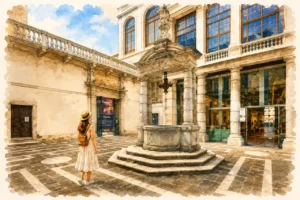
Use the clearest part of the day for St Mark’s Square. The Basilica’s mosaics and Doge’s Palace are particularly useful January choices because they provide shelter from wind and rain, but the square itself can become uncomfortable during heavy showers or high water. Wear shoes with dependable grip and carry a waterproof layer rather than relying on an umbrella in crowded arcades.
Allow extra time around security and ticket checks. Access to upper areas, museum sections and special routes may operate separately from the standard admission path. If you are visiting independently, verify the Basilica and Palace calendars on the day before travel; winter hours can differ by weekday, religious service and restoration work.
Reserve a flexible winter landmark visit
Which Venice museums are reliable indoor choices in January?
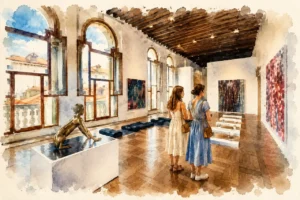
Museums make the strongest weather-proof part of a January plan. The Gallerie dell’Accademia is a natural choice for Venetian painting, while Ca’ Rezzonico focuses on eighteenth-century Venice. Palazzo Grassi and Punta della Dogana are useful for contemporary art, although exhibition schedules and opening days should be checked individually. The Museo Correr adds civic and Venetian history in the Piazza San Marco area.
Do not schedule three large museums back to back. One substantial collection, a warm lunch and a smaller church or gallery usually produce a better day. For temporary exhibitions, verify the exhibition end date, admission conditions and whether a separate timed ticket is required before relying on it as the centrepiece of your itinerary.
For a broader selection of bookable tours, cultural visits and seasonal activities, browse this guide to experiences in Venice.
What can you do outdoors when January weather is dry?
Begin early with a walk from San Marco through Castello, where the streets become noticeably quieter away from the main square. Continue toward the waterfront for views across the lagoon, then return through residential lanes rather than following the busiest route. The Rialto Bridge is most comfortable early or later in the afternoon; the market area is more rewarding when you check its trading days and hours first.
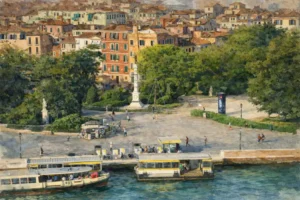
Other good short walks include the Zattere waterfront, the lanes of Cannaregio and the Fondamenta della Misericordia after lunch. Use a vaporetto ride as both transport and a sheltered sightseeing pause, but allow for waiting time and check route notices because water levels, maintenance or special operations can affect services.
January light disappears early, so save any photography route for the middle of the day. If fog, rain or high water arrives, replace a long walk with a church interior, museum or cicchetti stop rather than forcing a distant itinerary.
Which January events and seasonal traditions are worth checking?
The Epiphany season brings local celebrations around the first week of January, including the traditional Befana rowing event on the Grand Canal when it is scheduled. Winter programming may also include concerts, theatre, opera, temporary exhibitions and neighbourhood events, but the exact calendar changes and should be verified before publication or booking.
Do not assume that Carnival activities fill January. The main programme usually falls later in the winter, and early announcements can change. Check the city’s current cultural listings and the official venue page for start times, ticket release dates and cancellations. The city’s official Venice activities information is a useful starting point for current practical details.
Check current availability for the combined sights
How should you plan for acqua alta and January weather?
January is cool, humid and changeable rather than consistently freezing. Expect damp air, occasional rain, wind near the lagoon and bright intervals that can feel much colder after sunset. Pack waterproof footwear or overshoes, warm layers, gloves and a compact rain jacket. Comfortable shoes matter more than smart footwear because polished stone and temporary walkways can be slippery.
Acqua alta is a possibility during high tides and stormy weather. It can affect low sections around St Mark’s Square and cause temporary pedestrian walkways, but it does not automatically stop the entire city. Check tide forecasts and local notices on the morning of a planned walk. Keep phones, passports and spare socks in waterproof pouches, and avoid assuming that every low-lying route will remain convenient.
What transport and ticket checks matter in Venice in January?
Walking is usually the best way around the central sestieri, while vaporetti are valuable for the Grand Canal, the lagoon edge and islands. Validate the correct ticket before boarding and allow extra time when changing lines. Airport transfers and late-evening journeys need particular care because winter service frequencies can be lower than peak-season expectations.
Review current routes, fares and airport options in this practical guide to Venice transport tickets and getting around. For every booked attraction, save the meeting point offline and identify the nearest vaporetto stop, because a short-looking route can involve several bridges.
Attractions may close for a weekly rest day, religious service, maintenance or a public holiday. Recheck the official venue page 24 to 48 hours before visiting, especially for Basilica access, museum last admission and waterbus changes.
How can you build a comfortable two-day January itinerary?
Day one: book the combined St Mark’s Basilica and Doge’s Palace visit in the morning, have lunch near Castello or San Polo, then walk toward Rialto while there is still useful daylight. Finish with a short Grand Canal vaporetto ride or an indoor concert if the weather turns.
Day two: choose one major museum, such as the Accademia or a current exhibition at Palazzo Grassi, then explore Cannaregio, Dorsoduro or the Zattere. Keep the late afternoon unscheduled so you can respond to rain, acqua alta, a delayed waterbus or a museum visit that takes longer than expected.
Before booking the flagship experience, make four checks: exact inclusions, meeting point, accessibility and cancellation terms. Also confirm the live January date, selected duration, language and any dress or security rules. This small review prevents the most common winter disappointment: arriving at the right landmark with the wrong entrance or an unsuitable time slot.
Choose a January date for Venice’s landmark tour
For current exhibitions, performances and seasonal listings, use the Venice what’s-on calendar alongside official venue pages. That combination gives you a practical plan without making the itinerary depend on an event that may change.
Powered by GetYourGuide