
Home » Things to Do & See » Best Things to Do in Venice in April
Best Things to Do in Venice in April
Table of Contents
I found the combined St Mark’s Basilica, Doge’s Palace and Bridge of Sighs experience an efficient way to understand Venice’s political, religious and architectural centre in one visit. The route moves between the basilica and palace, with the Bridge of Sighs as a memorable connection between them; depending on the selected format, it usually takes about 1–2.5 hours. The main benefit is having a guide and a planned entry route during April’s increasingly busy mornings, although the exact Basilica areas, Doge’s Palace access, guide service and priority-entry arrangements vary by option. Check the booking details for the meeting point, current April availability, dress rules, security restrictions, accessibility and cancellation terms before paying.
It suits first-time visitors, history-minded travellers and anyone with limited time, but people who prefer a slow, self-guided visit may find the fixed pace less flexible. Wear shoes with good grip and clothing that covers shoulders and knees for the basilica.
“A well-organised introduction to Venice’s essential sights, with the Bridge of Sighs providing the most memorable moment.”
Powered by GetYourGuide
What are the best things to do in Venice in April?
April is one of Venice’s most comfortable sightseeing months: days are longer, outdoor cafés become more inviting and the city is generally less oppressive than in summer. Visitor numbers rise around Easter and again toward the end of the month, so the best plan combines one timed indoor attraction with early walks, flexible meals and a weather backup.
Typical daytime temperatures are often around 16–18°C, with cooler mornings and evenings, but rain, wind and sudden changes are normal. Pack a light waterproof layer, comfortable shoes, a compact umbrella and one warmer layer. Check the local forecast and any acqua alta alerts before setting out.
Is the St Mark’s Basilica and Doge’s Palace tour worth booking in April?
For a first Venice visit, this is a practical choice because it joins three closely related sights instead of spending time coordinating separate entries. The basilica brings Byzantine mosaics and ceremonial space; the Doge’s Palace explains the former Venetian government; and the Bridge of Sighs links the grand public rooms with the historic prison route. The experience is most useful when you want context rather than simply taking photographs from St Mark’s Square.
April demand is usually higher than in winter, especially during Easter periods and on weekends. Compare the selected option carefully: combined formats can differ in duration, guide language, areas visited, entry arrangements and whether all advertised spaces are accessible. Confirm the meeting point and arrive early, since late arrivals can be difficult to accommodate.
Check current St Mark’s Palace tour options
What should visitors know about Easter and April closures?
Easter moves between late March and late April, so its effect on Venice changes each year. Holy Week and Easter Sunday can bring larger crowds around St Mark’s Basilica, altered religious access and reduced opening times at some museums or independent businesses. The Monday after Easter is also a public holiday in Italy, when transport and attractions may be busier.
Book essential timed visits before arrival, then confirm the official opening information close to travel. On religious feast days, basilica access can be interrupted or redirected for services even when the surrounding square is open. Do not assume that a normal weekday schedule applies to Easter Sunday, Easter Monday or April 25.
Which Venice events and local dates matter in April?
April 25 is both Festa di San Marco, Venice’s patron-saint day, and Italy’s Liberation Day. Expect a more local, ceremonial atmosphere and possible changes to public access, transport patterns or business hours. The exact programme changes annually, so check the city’s event calendar rather than relying on an old itinerary.
Art travellers should also look for exhibitions at the Peggy Guggenheim Collection, Palazzo Grassi, Punta della Dogana, Museo Correr and the Biennale venues when a Biennale season is running. Exhibition dates and ticket rules change, and not every venue follows the same weekly closing day. A useful overview of current city programming is the Venice events and exhibitions calendar.
Which museums are best for a rainy April afternoon?
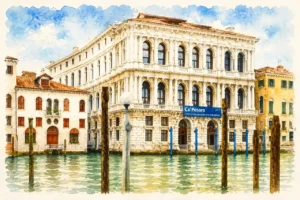
Use a wet-weather day for the Doge’s Palace if it is not already part of your guided visit, then consider Museo Correr for Venetian history and St Mark’s Square collections. The Gallerie dell’Accademia is a strong choice for Venetian painting, while Ca’ Rezzonico focuses on eighteenth-century Venice. Palazzo Fortuny and the modern-art venues around the Grand Canal can suit visitors who want something beyond major monuments.
- For Venetian art: choose the Accademia and allow time for a calm visit rather than rushing through.
- For civic history: Museo Correr pairs naturally with St Mark’s Square.
- For contemporary exhibitions: check the current programme and entrance arrangements before travelling.
- For families: select one museum with a clear, manageable route and add a vaporetto ride rather than scheduling several galleries.
Reserve popular museums when timed entry is offered. April showers are a good reason to keep one indoor booking for the middle of the day.
Reserve a guided Venice highlights visit
Where can you find the best April views in Venice?
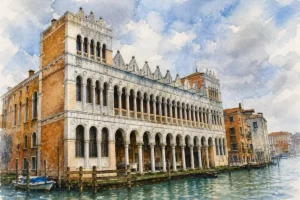
Start early at St Mark’s Square, when the light is soft and the arcades are less congested. For a high panorama, compare the Campanile di San Marco with the rooftop terrace at T Fondaco dei Tedeschi; both require checking current reservation or entry arrangements. The Accademia Bridge gives a classic Grand Canal view, while the Punta della Dogana area is especially good late in the day when the basin opens toward San Giorgio Maggiore.
For a quieter perspective, walk along the Zattere, cross to San Giorgio Maggiore if the service is operating, or explore the northern Cannaregio waterfront. April evenings can be cool, so carry a layer even after a sunny afternoon.
Which lagoon islands are worth visiting in April?
Murano is the easiest island addition for glass workshops and a short change of scene. Burano is more colourful and photogenic, but it takes longer to reach and can feel crowded once tour groups arrive. Torcello is the quieter historical option, best for travellers willing to spend most of a half-day on the lagoon.
Island vaporetto services are generally useful in April, but routes, frequencies and last departures vary by day, weather and seasonal timetable. Check the ACTV schedule on the day, allow extra time for connections and avoid planning the final return too tightly. A Venice transport and ticket guide can help you compare passes with individual journeys.
Compare available San Marco experiences
What food and evening experiences work well in April?
Plan a cicchetti crawl in Cannaregio, San Polo or around the Rialto area, ordering small plates with an ombra of wine and leaving time between stops. Look for seasonal vegetables such as artichokes when they appear on menus, alongside Venetian standards including sarde in saor, baccalà mantecato and risotto prepared with local ingredients. Menus change, so ask what is fresh rather than treating any single dish as guaranteed.
For an evening with less pressure, take a sunset walk from the Accademia toward Dorsoduro, attend a concert or opera performance after checking the venue’s programme, or sit near Campo Santa Margherita where local life continues after day-trippers leave. Venice is quiet in some districts late at night, so use well-lit routes and check the last vaporetto if you are staying across the lagoon.
How should you plan transport and bookings for an April Venice itinerary?
Keep the most time-sensitive booking before lunch and leave the afternoon flexible for museums, weather or an island trip. Walking is often fastest within the central sestieri, but bridges and crowds make rolling luggage or mobility aids challenging. Vaporetto boarding areas can be busy, and service times should be checked for the exact travel date rather than copied from an old guide.
- Book the St Mark’s combination experience or another essential timed attraction first.
- Check Easter, April 25 and weekly museum closures against your dates.
- Choose one island day only if the forecast and ferry timetable support it.
- Keep a rainy-day museum and a relaxed neighbourhood walk as alternatives.
- Confirm dress, security, meeting-point, accessibility and cancellation details for any guided booking.
For official practical information about attractions, tickets and city services, consult the Venezia Unica guide to things to do in Venice. For more ideas arranged around different travel styles, browse these Venice experiences and activity suggestions.
What should you book first, and what can remain flexible?
Book ahead: St Mark’s Basilica and Doge’s Palace visits, popular museum time slots, special exhibitions, opera or concert tickets, and accommodation for Easter or April 25 weekends.
Keep flexible: lagoon-island order, outdoor viewpoints, cicchetti stops and long waterfront walks. This approach protects the parts of the trip most affected by rain, high water, crowds and changing boat schedules while still giving your itinerary a clear structure.
Powered by GetYourGuide