
What Does the Venice Natural History Museum Entry Ticket Include?
Your ticket grants access to all permanent exhibitions inside the museum. The collections are spread across multiple themed sections, covering natural sciences, paleontology, anthropology, and the unique ecosystem of the Venetian lagoon.
Main highlights include:
- Impressive dinosaur skeletons and prehistoric fossils
- The Aquileia prehistoric whale skeleton
- Interactive exhibits about evolution
- Rare specimens from global expeditions
- Detailed displays about Venice’s lagoon biodiversity
The museum is part of the MUVE (Fondazione Musei Civici di Venezia) network and is well-maintained, modernized, and family-friendly.
If you prefer to secure entry in advance and avoid uncertainty at the ticket desk, you can check availability here:
Check Venice Natural History Museum ticket availability
Where Is the Museum Located?
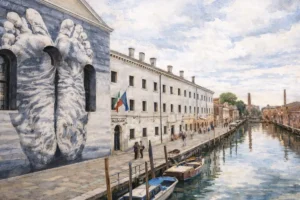
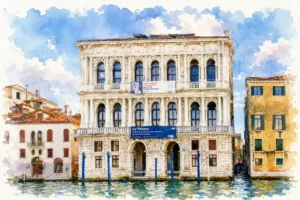
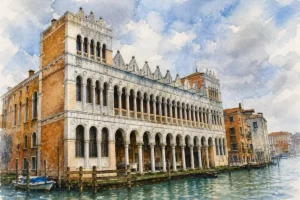
The museum is housed inside Fondaco dei Turchi, overlooking the Grand Canal in the Santa Croce district.
Nearby landmarks:
- Ca’ d’Oro
- Rialto Bridge (10-minute walk)
- San Stae Vaporetto stop (closest public transport)
Because it’s slightly away from St. Mark’s Square crowds, the area feels calmer and more local.
Opening Hours & Best Times to Visit
Opening hours vary slightly by season. In most months, the museum opens mid-morning and closes in the late afternoon. Mondays are usually closed, as is common with many Venetian museums.
| Season | Typical Hours | Closed Day |
|---|---|---|
| Spring–Summer | 10:00 – 18:00 | Monday |
| Autumn–Winter | 10:00 – 17:00 | Monday |
For exact updated hours, always check the official MUVE website (linked in the resources section at the end).
Best time to visit:
- Mid-morning right after opening
- Rainy afternoons (when outdoor sightseeing slows down)
- Hot summer days if you need an indoor break
What to Expect Inside
1. Dinosaur & Fossil Gallery
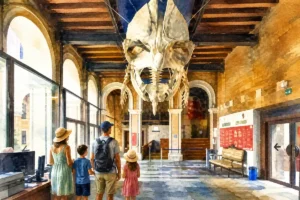
This is the most popular section. The massive dinosaur skeleton immediately captures attention. The exhibits are well-lit and include clear English explanations.
2. Lagoon & Marine Ecosystems
This section explains how Venice survives in its delicate lagoon environment. You’ll see preserved marine species, fish, and bird life native to the region.
3. Human Evolution & Anthropology
Displays here focus on prehistoric humans and the development of civilization. It’s educational but not overwhelming.
4. Historic Architecture
Don’t ignore the building itself. The Fondaco dei Turchi dates back to the 13th century and is worth admiring for its Venetian-Byzantine style.
If you’re researching detailed highlights, this guide breaks down what to see at the Venice Natural History Museum.
Is It Worth Buying Tickets in Advance?
The museum is not as crowded as the Doge’s Palace, but pre-booking still offers advantages:
- Guaranteed entry during busy seasons
- No waiting at the ticket window
- Immediate confirmation on your phone
- Useful if you’re on a tight schedule
Especially during school holidays and summer months, families visit in higher numbers.
View updated entrance ticket options here
How Long Should You Plan for Your Visit?
Most visitors spend between 1.5 to 2 hours inside.
If you’re:
- Traveling with children → allow closer to 2 hours
- A science enthusiast → up to 2.5 hours
- On a tight schedule → 75–90 minutes covers highlights
The museum layout is logical and easy to navigate, so you won’t feel rushed.
Who Will Enjoy This Museum Most?
This museum works particularly well for:
- Families with curious kids
- Travelers who want a break from churches and art galleries
- Science lovers
- Visitors staying more than 2 days in Venice
If you’re unsure whether to include it in your itinerary, you can read a deeper evaluation here: Is Venice Natural History Museum worth it?
Visitor Tips for a Smooth Experience
Arrive Early in Summer
Venice gets warm. The museum is air-conditioned, making it a comfortable mid-day plan.
Use Vaporetto Line 1
This scenic Grand Canal line stops nearby and doubles as a sightseeing experience.
Bring Kids’ Questions
Children engage better if you turn the visit into a mini discovery challenge (for example: “Can you find the largest skull?”).
Combine With Nearby Attractions
After your visit, you can walk toward Rialto or enjoy a quiet lunch in Santa Croce — a less touristy neighborhood.
If you want to compare ticket formats and city passes, see this complete overview of Venice Natural History Museum tickets.
Real Visitor Perspectives
Anna, traveling with two children:
“After several churches, my kids were losing interest. The dinosaur skeleton changed everything. They were genuinely excited and still talk about it weeks later.”
Marco, solo traveler:
“It’s not crowded like central Venice museums. I appreciated being able to move slowly and read exhibits without rushing.”
Linda, 3-night Venice stay:
“It’s a great half-day alternative when the weather turns rainy. The building itself is beautiful.”
If you decide to include it in your itinerary, booking ahead keeps things stress-free.
Reserve your Natural History Museum entry in advance
Frequently Asked Questions
1. Can I buy tickets at the entrance?
Yes, tickets are usually available at the ticket office. However, during peak months or group visits, availability may fluctuate. Pre-booking guarantees entry.
2. Is the museum suitable for children?
Absolutely. Dinosaur skeletons, interactive displays, and animal exhibits make it engaging for children aged 6 and above.
3. Is it included in Venice museum passes?
Yes, it is part of the MUVE network. Certain museum passes include access, but check validity before purchasing.
4. Is the building wheelchair accessible?
Accessibility has been improved, and elevators are available. Still, it’s wise to confirm specific requirements ahead of your visit.
5. Can I take photos inside?
Photography is generally allowed without flash. Special exhibitions may have restrictions.
6. How far is it from St. Mark’s Square?
About a 20–25 minute walk, or a scenic vaporetto ride along the Grand Canal.
7. Are there guided tours available?
Occasionally, educational tours are offered, especially for schools. Standard entrance tickets are self-guided.
8. What makes it different from other Venice museums?
Most Venice museums focus on art and history. This one focuses on science, evolution, and natural ecosystems, offering a completely different perspective.
Official Resources & Updated Hours
For current opening hours and official information, consult the MUVE website: